Carthage: A Bold and Versatile Font for Editorial Design
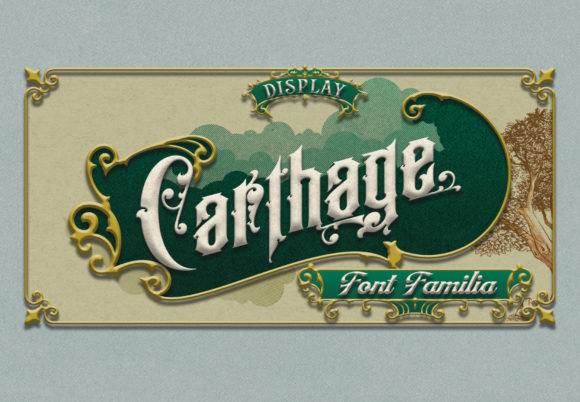
The Carthage font family is a premium typeface that combines the boldness of vintage blackletter styles with the elegance of old lettering. This unique blend makes it an excellent choice for content creators, bloggers, and editorial designers looking to add a touch of sophistication and character to their publications.
Visual Characteristics and Style
Carthage stands out with its strong, angular lines and intricate details, reminiscent of classic blackletter fonts. However, it also incorporates modern elements, making it versatile enough for contemporary designs. The font's personality is both authoritative and elegant, perfect for creating a lasting impression in any editorial project.
Editorial Appeal and Usage
One of the key strengths of Carthage is its ability to enhance visual hierarchy and draw reader attention. Whether you're designing a blog header, a magazine cover, or an ebook title, Carthage can be used to create impactful and memorable text. Its bold and distinctive style makes it ideal for titles, subtitles, and section headings, where it can set the tone and capture the reader's interest.
Blog Headers and Magazine Covers
For bloggers and magazine designers, Carthage can be a powerful tool for creating eye-catching headers and covers. Its bold and commanding presence can help your publication stand out, whether on a digital platform or in print. Imagine a lifestyle blog with a Carthage header that exudes both style and substance, or a digital magazine cover that uses Carthage to highlight the main story, drawing readers in with its striking appearance.
Ebook Titles and Newsletter Graphics
When it comes to ebooks and newsletters, Carthage can elevate the overall design and readability. Use it for the title of a recipe ebook, a wedding guide, or a coaching workbook to give your content a professional and polished look. In newsletters, Carthage can be used for prominent graphics, such as pull quotes or section headings, to make your content more engaging and visually appealing.
Quote Layouts and Chapter Openers
Carthage is also well-suited for quote layouts and chapter openers. Its decorative yet readable style can add a touch of elegance to inspirational quotes, making them stand out and resonate with readers. For chapter openers in books or long-form articles, Carthage can set the stage, providing a clear and captivating introduction to the content that follows.
Readability and Practical Considerations
While Carthage is a display font, it is important to consider its readability, especially for longer text. For screen reading, PDF exports, and mobile layouts, it is best to use Carthage for titles, subtitles, and other short, impactful text. For body copy, pair it with a clean, readable serif or sans serif font to ensure a balanced and legible layout.
Font Pairing for Editorial Use
To create a cohesive and harmonious design, consider pairing Carthage with a complementary font. A classic serif font can provide a traditional and elegant feel, while a clean sans serif can offer a modern and minimalist touch. For example, using Carthage for the title and a serif font for the body text in a digital magazine can create a visually pleasing and easy-to-read layout.
Commercial Licensing and Design Assets
Before incorporating Carthage into your commercial projects, such as ebooks, templates, printables, and paid newsletters, ensure you have the appropriate commercial license. This will allow you to use the font legally and professionally, adding value to your design assets and brand identity.
Conclusion
Carthage is a versatile and stylish font that can significantly enhance the visual appeal and professionalism of your editorial designs. Whether you are working on a blog, magazine, ebook, or newsletter, Carthage offers a unique and impactful way to engage your audience and create a memorable brand identity. By carefully considering its usage and pairing it with suitable fonts, you can create a balanced and visually stunning publication that resonates with your readers.